Edit This Story
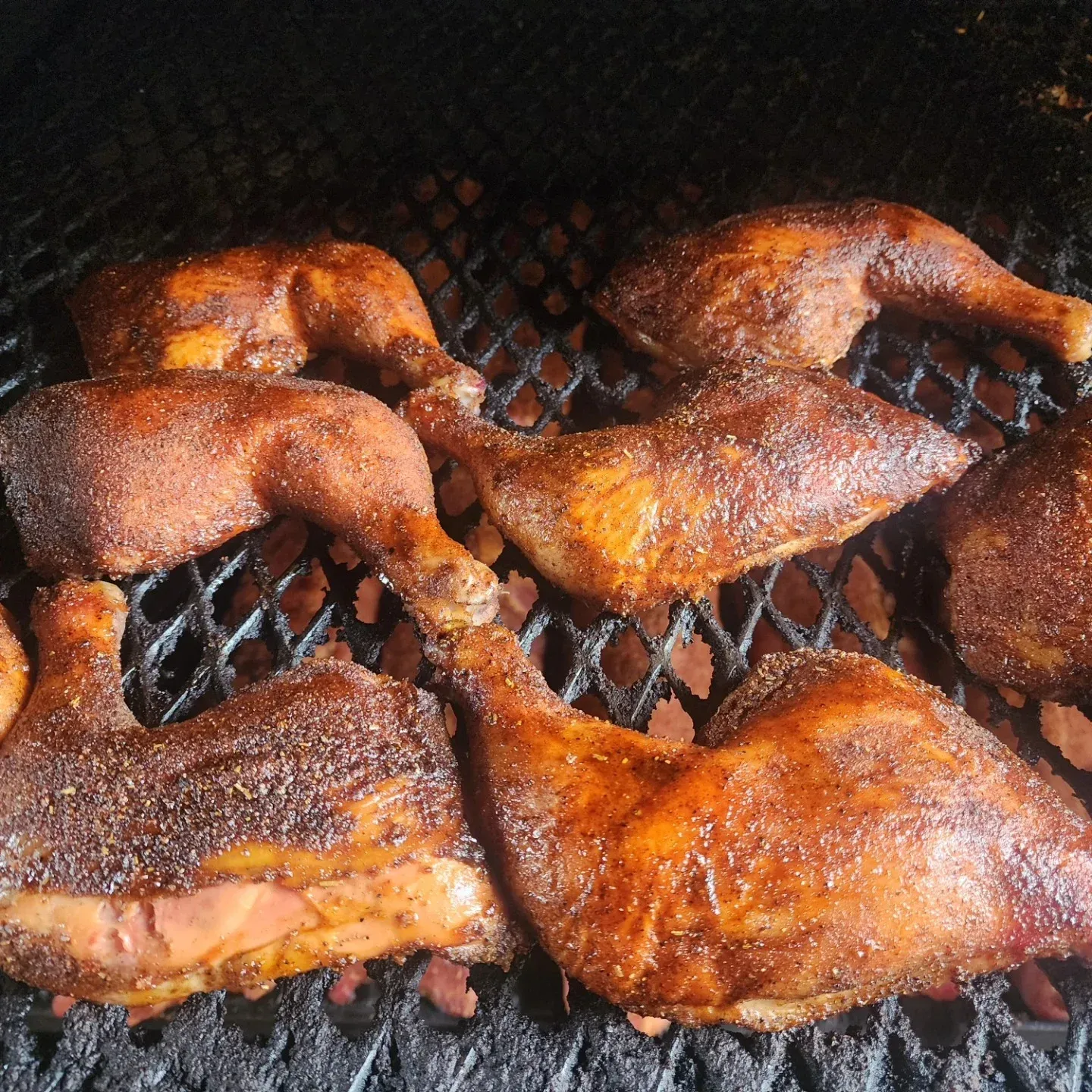
The Art of Spice Selection in Smoked Meats
The artistry of smoking meat lies not just in the smoke itself but in the careful selection and application of spices that create a harmonious fusion with each type of protein. Every meat carries its unique molecular structure and fat content, demanding a thoughtful approach to spice combinations that enhance rather than overwhelm its natural character.
The dense muscle fibers and robust flavor profile call for bold, earthy spices for beef, particularly brisket, and ribs. Coarse black pepper forms the foundation, its volatile oils penetrating deep as the meat warms. Garlic and onion granules offer sweetness and umami, while Paprika contributes color and subtle fruity notes. Kosher salt, applied generously, doesn’t just season—it helps create a moisture-locking barrier that keeps the beef juicy through long smoking sessions. The key is allowing these spices to form a bark, a caramelized crust that seals in the meat’s natural juices.
With its sweeter meat and generous fat content, Pork benefits from spices that can cut through richness while complementing its natural sweetness. For pork shoulder and ribs, brown sugar is more than a sweetener—it helps form a sticky exterior that traps moisture and creates gorgeous bark. Ground mustard’s sharp bite balances the sweet, while cumin adds an earthiness that marries beautifully with smoke. Smoked Paprika again plays a crucial role in enhancing the overall flavor profile here.
Hams require a more delicate touch, as they’re often pre-cooked. The goal is to complement the existing cure while adding layers of flavor. Whole cloves, ground cinnamon, and allspice create an aromatic profile that penetrates during smoking, while brown sugar and honey make a glossy exterior that seals moisture.
Poultry demands its approach. Chicken’s relatively neutral flavor makes it an ideal canvas for herbs like thyme, rosemary, and sage, which release their essential oils slowly during smoking. A base of garlic and onion powder provides savory depth, while a touch of white pepper adds warmth without overwhelming. The key is creating a balanced dry brine that helps the skin crisp while keeping the meat moist.
Turkey benefits from similar herb-forward preparations but can handle more robust spices. Sage becomes more prominent, complemented by bay leaf and marjoram. The challenge lies in protecting the delicate breast meat from drying out, so the spice mixture often includes ingredients like brown sugar or maple powder that promote moisture retention and bark formation.
The spices serve a dual purpose for all these meats: flavor enhancement and moisture retention. The key lies in understanding how each spice interacts with the meat and the smoke itself, creating complex layers of flavor that develop and deepen throughout the smoking process.
The essay covers the essential spice combinations for different meats while explaining the science behind moisture retention and flavor development. Would you like me to delve deeper into any particular meat or spice combination?